Jobs for May in the garden

Garden Designer Lucy Willcox

Written by: Ashley Edwards

May is the garden’s turning point, the moment when borders are suddenly burgeoning with life. Fresh foliage unfurls in every shade of green, and early blooms fade, making way for bold, bright colours. Warmth is building, and with it comes a sense of promise. Pollinators return in earnest, birds become louder and busier, and the garden is a hive of activity. It’s a month that rewards attention, everyday there are changes afoot, so make sure to take a moment and delight in the changes.

Re-imagining your lawn

The traditional lawn, meticulously mown within an inch of its life, is labour intensive and a green desert for biodiversity. Reimagining our lawns, we can create habitat and food source for a broad range of creatures whilst introducing visual interest and diversity of plant species.

One of the simplest and most effective shifts you can make is introducing yellow rattle into the sward. Often called the ‘meadow maker’, this semi-parasitic annual feeds off vigorous grasses, weakening their dominance and creating space for wildflowers to establish. Sow it in early autumn, after cutting the grass short and scarifying to expose patches of soil. It needs contact with the earth to germinate. It can be a little fussy about where it likes to germinate, but come late spring, you’ll start to see its delicate yellow flowers threading through the grass, paving the way for a rich tapestry of wildflowers.

If you’re willing to be a little bolder, consider scraping away sections of turf entirely. You can start with small pockets in the lawn or strips next to pathways. These bare patches can be sown with annual wildflowers like cornflower, corn marigold, and field poppy. If sown in spring, you should have flowers the same year. Over time, you can collect seeds and expand your wildflower meadow. It’s worth keeping some areas of lawn bare, as this provides essential nesting sites for solitary bees.

There’s also room for your spent spring container bulbs. Planting crocus directly into the lawn is an investment in next spring’s awakening. Tuck them into the turf in autumn, naturalistically, in small drifts rather than neat rows, and come late winter, they’ll push through the grass. They flower before the lawn really gets going, so you can delay your first mow and allow them to die back before cutting.

For bees emerging from winter, these early blooms provide an essential nectar source. Once you’ve experienced the joy of seeing insects and birds visit your patch of vibrant wildflowers, you’ll never want to go back to those sad stripes.

Wildflowers

Wildflowers will provide sustenance for birds, bees and butterflies plus they are easy to grow and once established won’t need too much maintenance.

Shop now

Wildflowers

Wildflowers will provide sustenance for birds, bees and butterflies plus they are easy to grow and once established won’t need too much maintenance.

Shop now

Feeding throughout the year

Feeding your plants will give you the best displays, especially in containers. This doesn't mean throwing down lots of synthetic chemicals, it’s about targeting specific plant needs and improving the quality of your soil.Through early spring, the focus is on steady growth. As soil temperatures rise, plants begin to actively take up nutrients again. This is the point to apply an organic, balanced, slow-release feed across borders and containers to support root development and early foliage. Shrubs and perennials benefit from an organic balanced feed, rather than high-nitrogen spikes that can lead to soft, leggy growth and an insect attack.

May is when lots of plants are developing flowering buds, and so feeding can be more targeted. Roses, for example, should be fed now with a dedicated organic rose fertiliser to encourage strong, repeat flowering. The same applies to herbaceous perennials that are gearing up to flower. Plants like delphinium and peony respond well to a phosphate boost at this stage.

Container planting is where feeding is most important. Nutrients are quickly depleted in pots, especially with increased watering as the weather warms. Bedding plants, herbs, and tender perennials should be fed weekly with an organic liquid fertiliser through the growing season. If you’re growing vegetables, this is also the point to begin feeding. Leafy crops like lettuce benefit from nitrogen-rich feeds, while fruiting crops such as tomatoes need a switch to a high-potash fertiliser once flowers appear to support fruit development.

As summer progresses, consistency is key. Continue feeding flowering plants and containers regularly, but avoid overfeeding. A spike in nutrients can lead to excessive soft, leafy growth and fewer flowers. By late summer into early autumn, feeding should begin to taper off. At this stage, the aim is to support ripening and strengthen plants ahead of winter. A low-nitrogen, high-potash feed can help with this transition, particularly for shrubs and perennials.

The best thing you can do for your plants is improve soil structure and increase the natural biome. This can be done by adding organic matter such as leafmould, well-rotted garden compost, biochar and bark chips. Doing this regularly will help retain moisture and release nutrients, making them accessible to your plants.

One of the most important things a gardener can do is be observant, and keep in tune with your plants needs through the signs they show. Learning the common symptoms of nutrient deficiencies will help you identify exactly what's needed, when.

Fertilisers & weed control

Plant care

Fertilisers & weed control

Shop now

Compost, bark & mulches

Plant care

Compost, bark & mulches

Shop now

Ashley's 5 favourite plants for May

May is probably my favourite time in the garden. Just before the herbaceous plants get going, there's huge mounds of fresh green growth everywhere and many trees are flowering their tips off. Here are a few of my faves to spot in May:

Peonies

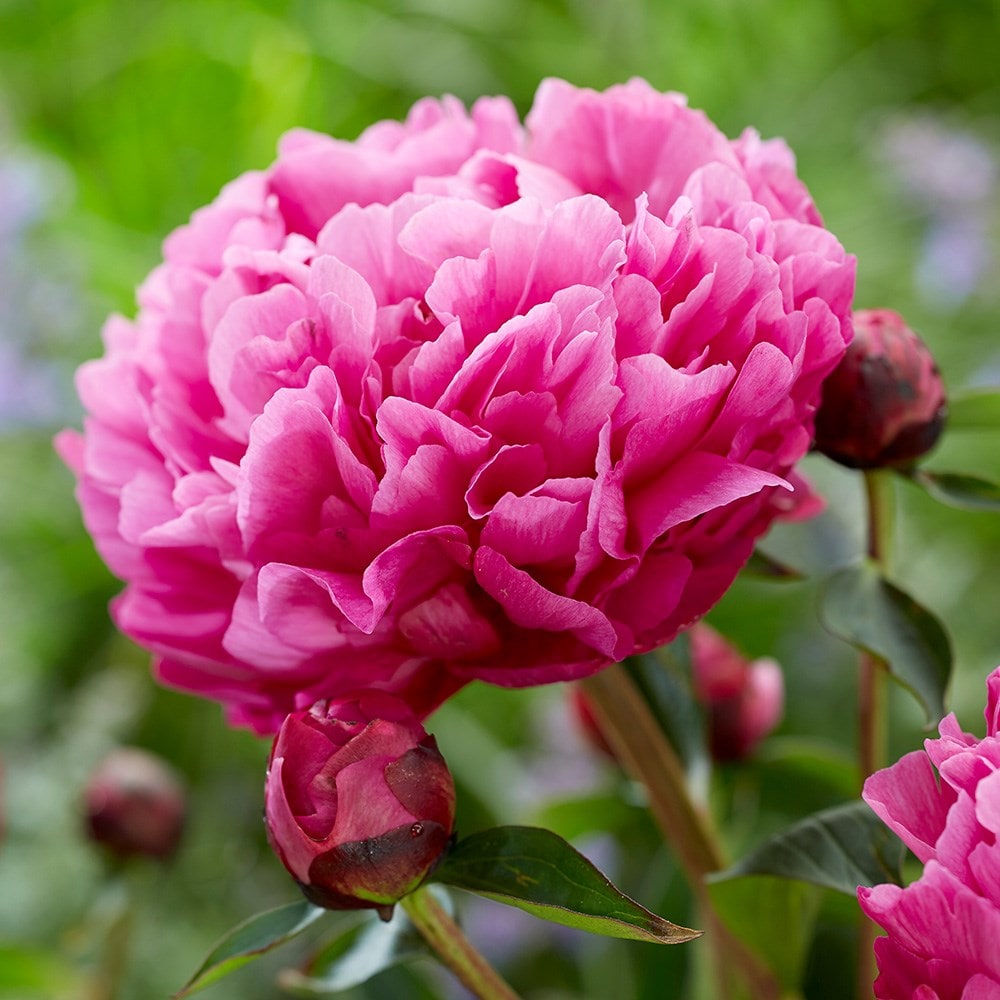
Peonies are the headline act of May, brief, but unforgettable. Their large, often fragrant blooms bring a sense of occasion to the garden just as spring tips into early summer. The flowers can be huge and come in a multitude of forms and colours. They bridge that tricky seasonal gap, offering rich blooms before summer perennials fully take over. Plant them in autumn as bare roots and leave undisturbed with sun and plenty of room. They are a long-lived plant and will reward you year after year with sumptuous displays, great for the cutting garden.

Hardy Geraniums

Hardy geraniums are the staple of a well-designed border. I love them for their mounding habit, soft foliage, and a long season of nectar-rich flowers that pollinators actively seek out. What makes them exceptional is their versatility: ground cover, gap filler, or companion planting under roses and shrubs. Many cultivated varieties will flower right through into summer if cut back after the first flush, making them one of the hardest-working plants you can include. I like to use them at the front of borders where they spill out onto pathways, or in containers where they give the same effect.

Alliums

Architectural form with bold colour, alliums are one of my favourite plants of the year. Their spherical flower heads hover above borders, and look dazzling with the zingy green foliage of May. They’re particularly effective weaving through grasses or emerging perennials, creating contrast in both form and texture. They’re a magnet for bees, offering a reliable nectar source at a key time of year. Once planted, they’re low-maintenance and return year after year, often naturalising gently. Planting towards the middle or back of borders will hide the foliage as it dies back in summer. Leave the seed heads for autumn interest and structure.

Euphorbia

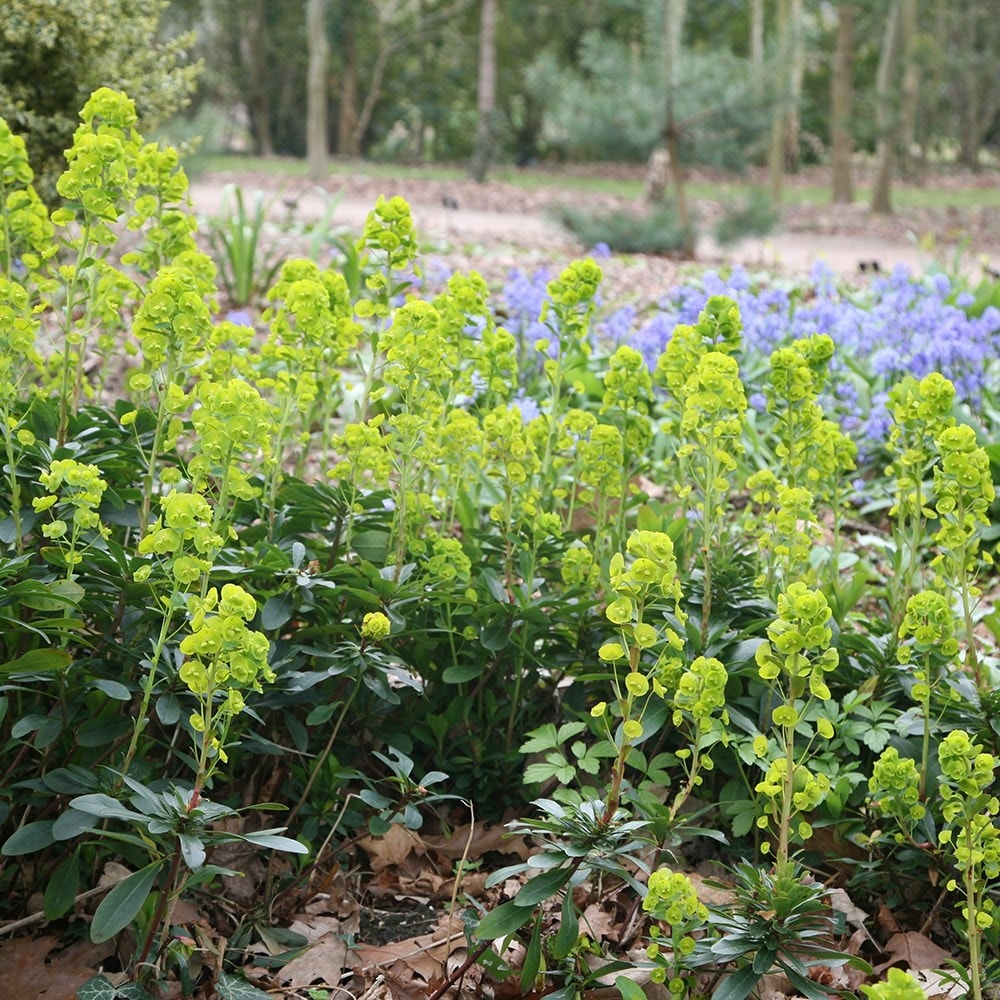
Euphorbia is a reliably tough plant, resistant to drought, once established, and rarely affected by insects or animals due to its toxic white sap. In May, they’re at their peak, vibrant lime-green flowers against fresh glaucous foliage. Most cultivars thrive in poorer soils, making them a practical choice for gravel gardens. They look great in containers as well as an anchoring plant in the border, mixed with grasses and tall perennials.

Lilac

Lilac is so closely tied to late spring, it delivers scent at a time when the garden is just warming up. The flower panicles are generous, and the rich fragrance is capable of carrying across the garden on a warm May day. As a shrub or small tree, it adds height and presence, and once established, asks for very little. They grow best in sun or light shade, prune them soon after flowering has finished to keep the flowers at head height.

Planting up a cutting garden

This year at the Crocus Walled Garden, I’ll be planting up a cut flower garden full of annuals and perennials.

I’m choosing the sunniest borders as this will give the most flowers, and the soil has been enriched with plenty of organic matter. Planting in rows will allow me to maximise the space, whilst also making harvesting flowers a whole lot easier. If you want a more relaxed feel, you can mix plants in blocks.

Plan your planting around succession. The goal is to have continual blooms for picking all year. Early in the season you might rely on bulbs and hardy annuals, then move into summer performers, followed by late-season fillers. Build your colour palette with reliable, cut-and-come-again tender perennials and annuals like cosmos, zinnia, and dahlia, that respond to cutting by producing more stems. Balance these with structural or focal flowers such as snapdragons and sunflowers. Don’t overlook foliage either; things like Ammi majus or herbs add texture and help arrangements feel complete. I’m also including several arches with sweet peas which provide height and fragrance to the border.

Spacing is tighter than in ornamental borders, you’re aiming for straight, usable stems, so plants can be grown closer together to encourage upward growth. Support your plants with netting or stakes early on which will save you from flopping plants later, especially with taller species. Soil fertility also needs to be consistent; this is a high-output system, so regular feeding and watering will make a noticeable difference.

When it comes to harvesting, cut regularly, cut deep, and at the right stage, just before full bloom, to encourage regrowth and extend vase life. Cutting is best done early morning, whilst temperatures are cool and the plants are still full of water. If you get the planning right, you’ll be able to harvest flowers all summer, by the bucket load!

Tools & accessories

Everything you need for your own cutting garden

Shop now

Tools & accessories

For your own cutting garden

Shop now

Top tips for watering

Getting watering right can be trickier than it first seems. Many people make the mistake of watering little and often. This encourages plants to grow shallow roots, meaning that when the topsoil dries out, the plants suffer.

Aim to water deeply and less regularly. Water your plants thoroughly when establishing (especially trees and shrubs in their first three years) and always after planting. I like to use the puddling technique after planting where the soil is loosely filled in around the plant in its new hole, and then flooded with water. This action draws the soil close into contact with the plant roots as well as providing a good amount of water.

If you have containers, place them on saucers to capture excess water or fill to increase humidity around your plant. Remember to take them away over winter to allow drainage. You can also use trays to stand plants in water and save yourself some time in the garden.

Recycle water where possible and capture rain using water butts. These can be attached to your gutter downpipe or greenhouse. Rainwater is great for plants as it lacks the hardness and chemicals often found in tap water. Water butts can also be an essential lifeline during hosepipe bans, meaning you’ll have a steady supply of water waiting for emergencies

Aim to water deeply and less regularly. Water your plants thoroughly when establishing (especially trees and shrubs in their first three years) and always after planting. I like to use the puddling technique after planting where the soil is loosely filled in around the plant in its new hole, and then flooded with water. This action draws the soil close into contact with the plant roots as well as providing a good amount of water.

Again, improving your soil structure is the best thing you can do for water retention. Organic matter will hold on to water and make it available to your plants. Mulching your garden reduces evaporation whilst adding organic matter. You could also try growing drought-resistant plants in gravel or aggregate. These plants will put down deep roots to tap into moisture. They’ll also grow stockier with tougher leaves, due to the tough growing conditions, so will be more resilient during times of drought. Choosing plants that will cope with the changing climate is essential. This might not mean your whole garden is a selection of Mediterranean planting, but it’s definitely something to consider when weighing up how much time and resources you want to spend watering your garden.

As we continue to experience hotter, drier summers, it’s more important than ever to adapt the way we water and grow our plants.

Watering cans

Water wisely

Watering cans

Shop now

Water butts & dip tanks

Water wisely

Water butts & dip tanks

Shop now